
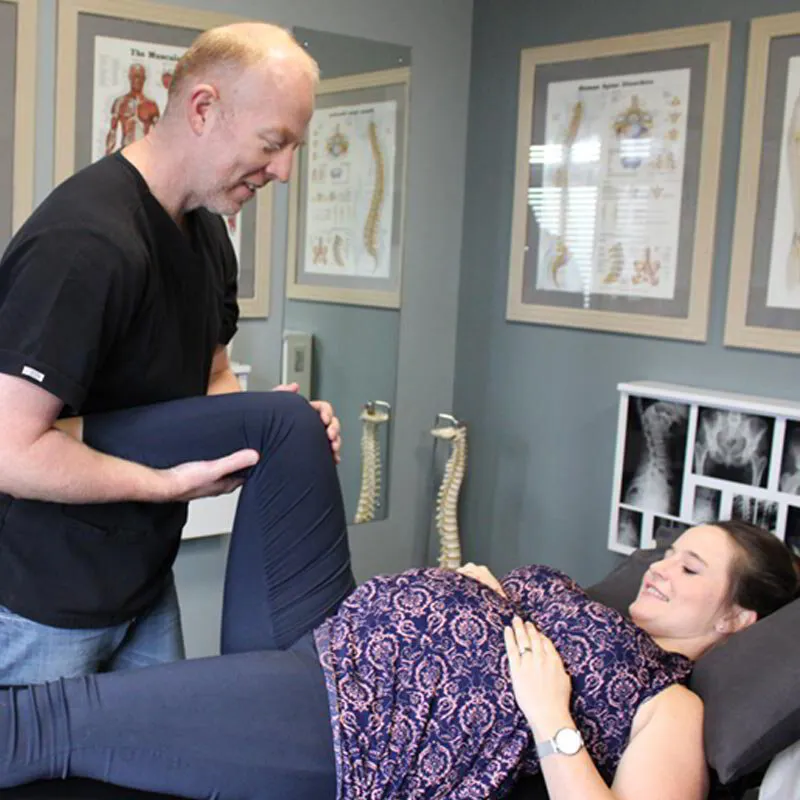
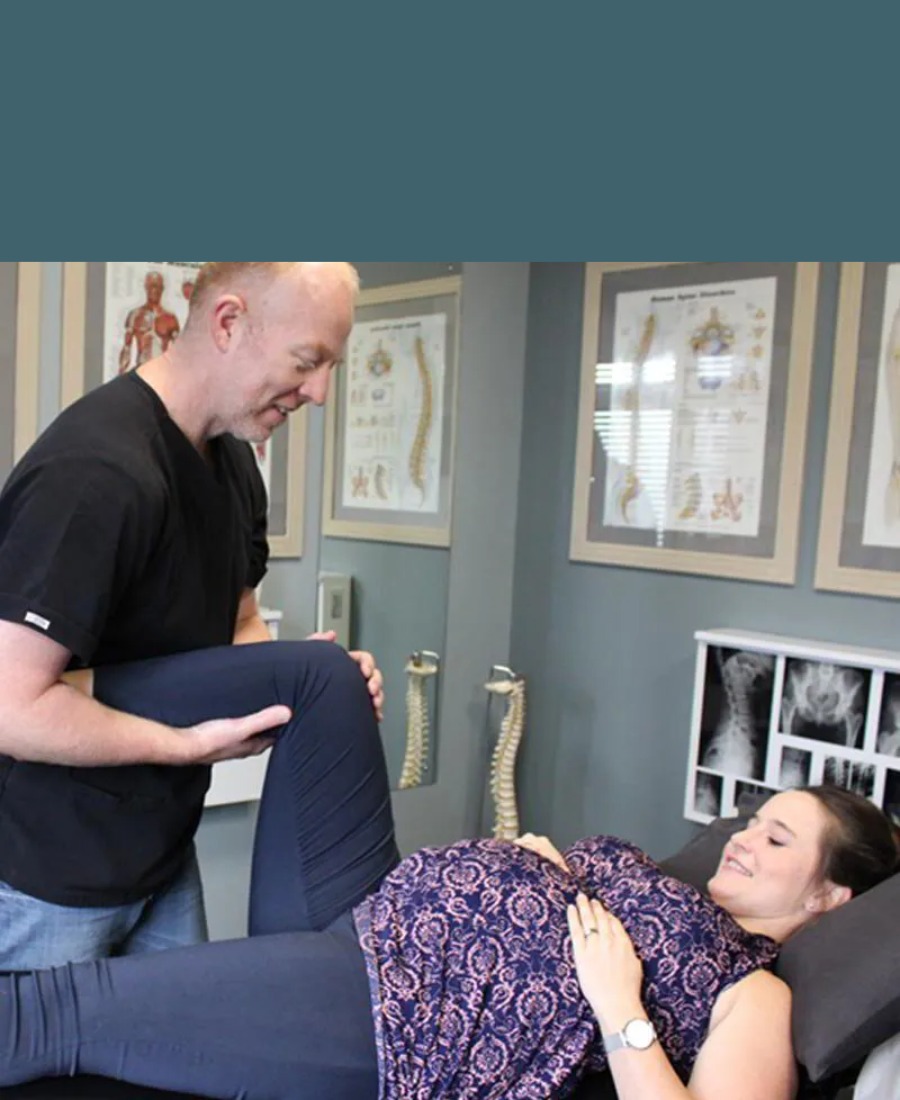
How Chiropractic Care Can Help During Pregnancy

LOWER BODY PAINS

Lower back pain:

The abdomen growing out, and the lower back and muscles are not equipped for added weight leading to back ache.

Progesterone works to loosen ligaments for birth, but cannot dedicate this to the pelvic region only. Loose Back ligaments can lead to hyperextension of the back during pregnancy.

Hip and Pelvis

Progesterone is to blame for these pains as well. The same ligament loosening process that allows the baby to move through the birth canal will loosen connective tissue in the pelvis and hips causing pain during pregnancy.

Sciatic pain

The sciatic nerve is the longest nerve in the body, running down the back of the leg.Increased pressure on the nerve most likely from longer periods of compression on the nerve
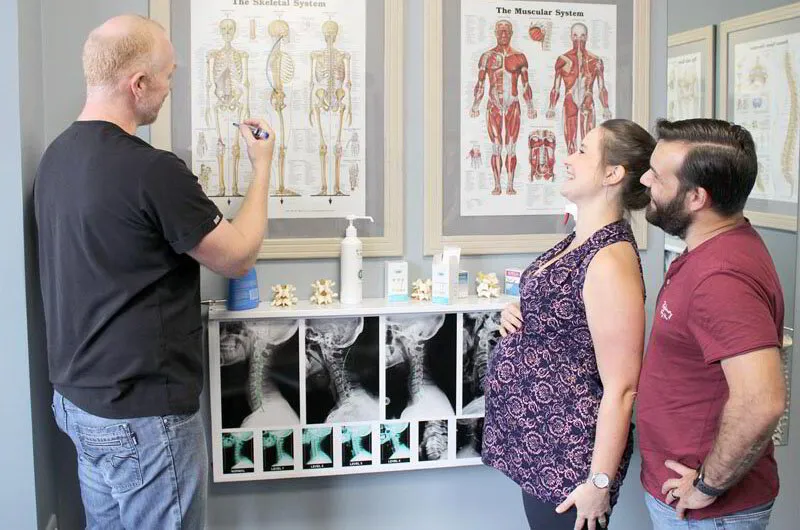
UPPER BODY PAINS DURING PREGNANCY


As the fetus grows the uterus will expand and so will the abdominal muscles and skin. Stretching skin and lengthening ligaments can easily cause pain during pregnancy.

Shoulder and neck pain

Progesterone is the main instigator in loosening these ligaments. Combined with increased weight and taxed back muscles a slight change in posture can cause pain.

LIMB AND HEAD PAIN DURING PREGNANCY

Carpal tunnel syndrome

Swelling of and wrists can trap this nerve causing fingers to tingle, go numb or hurt.

Headaches and Migraines

Good old hormones are responsible. Is chiropractic care during pregnancy safe?
There are no known contraindications to chiropractic care throughout pregnancy.

Establishing pelvic balance and alignment is another reason to obtain chiropractic care during pregnancy. When the pelvis is misaligned it may reduce the amount of room available for the developing baby. This restriction is called intrauterine constraint. A misaligned pelvis may also make it difficult for the baby to get into the best possible position for delivery. This can affect the mother’s ability to have a natural, non-invasive birth. Breech and posterior positions can interfere with the natural ease of labor and lead to interventions such as c-sections.

POST PARTUM & BEYOND

Managing Back Pain

There are factors that contribute to post partum back injury beyond the obvious biomechanical strain of pregnancy and caring for young children. Women with depression, a c-section, experience chronic fatigue, have compromised nutrition or sub-clinical vitamin/mineral deficiency, or who are ill may be at an increased risk of back injury.