

What is a Pinched Nerve?
A pinched nerve occurs when too much pressure is applied to a nerve by surrounding tissues, such as bones, cartilage, muscles, or tendons. This pressure can cause pain, tingling, numbness, or weakness.
A pinched nerve can occur in many areas throughout the body. For example, a herniated disk in the lower spine may put pressure on a nerve root. This may cause pain that radiates down the back of your leg. Likewise, a pinched nerve in your wrist can lead to pain and numbness in your hand and fingers (carpal tunnel syndrome).
With rest and other conservative treatments, most people recover from a pinched nerve within a few days or weeks. Sometimes, surgery is needed to relieve pain from a pinched nerve.
In some cases, this tissue might be bone or cartilage, such as in the case of a herniated spinal disk that compresses a nerve root. In other cases, muscles or tendons may cause the condition.
A pinched nerve in your back?
A number of conditions can cause a pinched nerve in the back, these can include
• A herniated disc: The disks between the vertebrae in the spine can become compressed and bulge, putting pressure on nearby nerves.
• Spinal stenosis: This refers to a narrowing of the spinal column, which puts excess pressure on the nerves around the spinal cord.
• Arthritis: This causes inflammation around joints and bones, which can increase pressure on nerves in the spine.
• Bone spurs: A bone spur is an extra growth of bone, which can form on the spine and compress surrounding nerves, causing reoccurring episodes of pain.
• Spondylolisthesis: This involves a vertebra in the lower spine dislodging and pinching nerves.
• Infection: The vertebrae or disks of the spine can become infected, leading to inflammation and nerve pain
If a nerve is pinched for only a short time, there’s usually no permanent damage. Once the pressure is relieved, nerve function returns to normal. However, if the pressure continues, chronic pain and permanent nerve damage can occur.
Risk Factors
Certain factors make developing back pain more likely:
• Aging: The disks between the vertebrae lose their ability to cushion with age, increasing a person’s risk of a pinched nerve. Spinal stenosis also becomes more likely with age.
• Physical fitness: People who do little exercise or who have weaker abdominal muscles are more likely to develop back pain, possibly from an injury. The same is true for people who are generally inactive but then try intense physical exercise.
• Overweight or obesity: Both place extra strain on the back, making back pain more likely.
• Uneven posture: If the neck, shoulders, spinal column, or hips are out of alignment for prolonged periods, it can place pressure on nerves in the back.
Diagnosis
A Chiropractor may be able to diagnose a pinched nerve with only a physical examination. They may also perform tests to check the person’s reflexes and muscle movement which can help with a diagnosis.
In some cases, the Chiropractor may need further tests to determine the exact location and cause of a pinched nerve.
Tests may include:
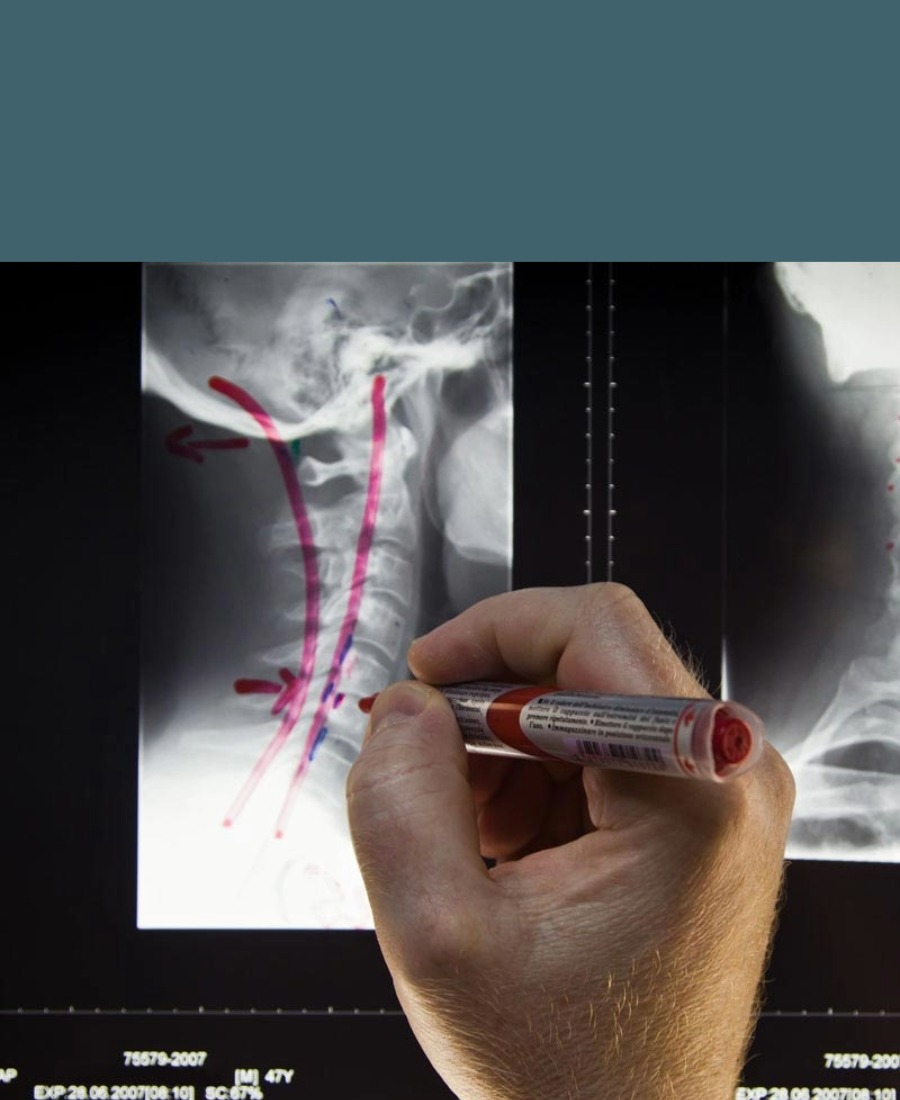
• an X-ray, which can show structural problems, such as bone spurs
• refer for an MRI, which can show the condition of the spinal cord, disks, and nerves
• refer for a CT scan to examine the spinal structures
• refer for electromyography, which shows the electrical impulses of muscles